



The Probabilistic Ceiling
We've spent the last two years building conviction around the Vertical Era of AI, and what we're now hearing out of Silicon Valley keeps confirming it rather than challenging it.
It starts with the shift away from training and toward inference, and the sudden rise of router companies, tools that pass a request from a foundational LLM to an open-source model, an open-weights model, or even a sandboxed Chinese LLM, whichever is cheapest or fastest for the job. That's not a developer convenience, it's an enterprise cost problem, and it's exactly why Stripe paid $10 billion for OpenRouter: enterprises are not going to keep paying per-token charges to a single frontier lab once there's a cheaper way to route around them.
Underneath that is a distinction the frontier labs can't build their way past: probabilistic versus deterministic. A probabilistic model is an extension of what a knowledge worker already does, how we think, how we write, how we draft a memo or a book report, and that's real value. But financial services have to be exact, energy and healthcare as regulated industries have to be exact, anything touching the payment card industry has to be exact, and none of that runs on a probabilistic core. Only deterministic models will do the job. That's the ceiling frontier models hit by design, and it's the opening specialized, vertical AI platforms are built to fill.
Silicon Valley, meanwhile, is pushing further into training, not because enterprises are asking for it, but because the endgame is AGI; eventually AGI inside humanoid robots and drones - physical AI at massive scale. Those are real markets, and we're glad to watch it happen. But It's not our market. Our conviction hasn't changed: value in the enterprise doesn't accrue to whoever wins the training race, it accrues to the domain-expert founders building the deterministic, industry-specific AI systems enterprises actually need.
Mercury Fund in the News

Mercury Fund was named in TIME’s 2026 list of America's Top Venture Capital Firms alongside several of our co-investors and other VCs we respect and admire. We’re proud that our position improved on the list YoY.
Blair Garrou spoke with Connect Money on why the next generation of AI founders are domain-expert founders building in cities like Houston, Chicago, and Salt Lake City, around industry clusters they know from experience
Samantha Lewis was interviewed on the The Block podcast alongside OpenTrade co-founder and CEO, Dave Sutter. They discussed stablecoins, RWAs, why yield is the next critical infrastructure layer in the stablecoin stack, and more.
Blair Garrou joined Nilanjana Bhowmik on the Post Money podcast and shared why Silicon Valley doesn't have a monopoly on the next generation of billion-dollar tech companies in Vertical AI.
Samantha Lewis spoke on Crypto Mavericks podcast to talk about co-leading OpenTrade's recent $17M round, RWA tokenization, agentic finance, and what it takes to build at the intersection of blockchain and traditional financial services.
Portfolio Company Funding Announcements
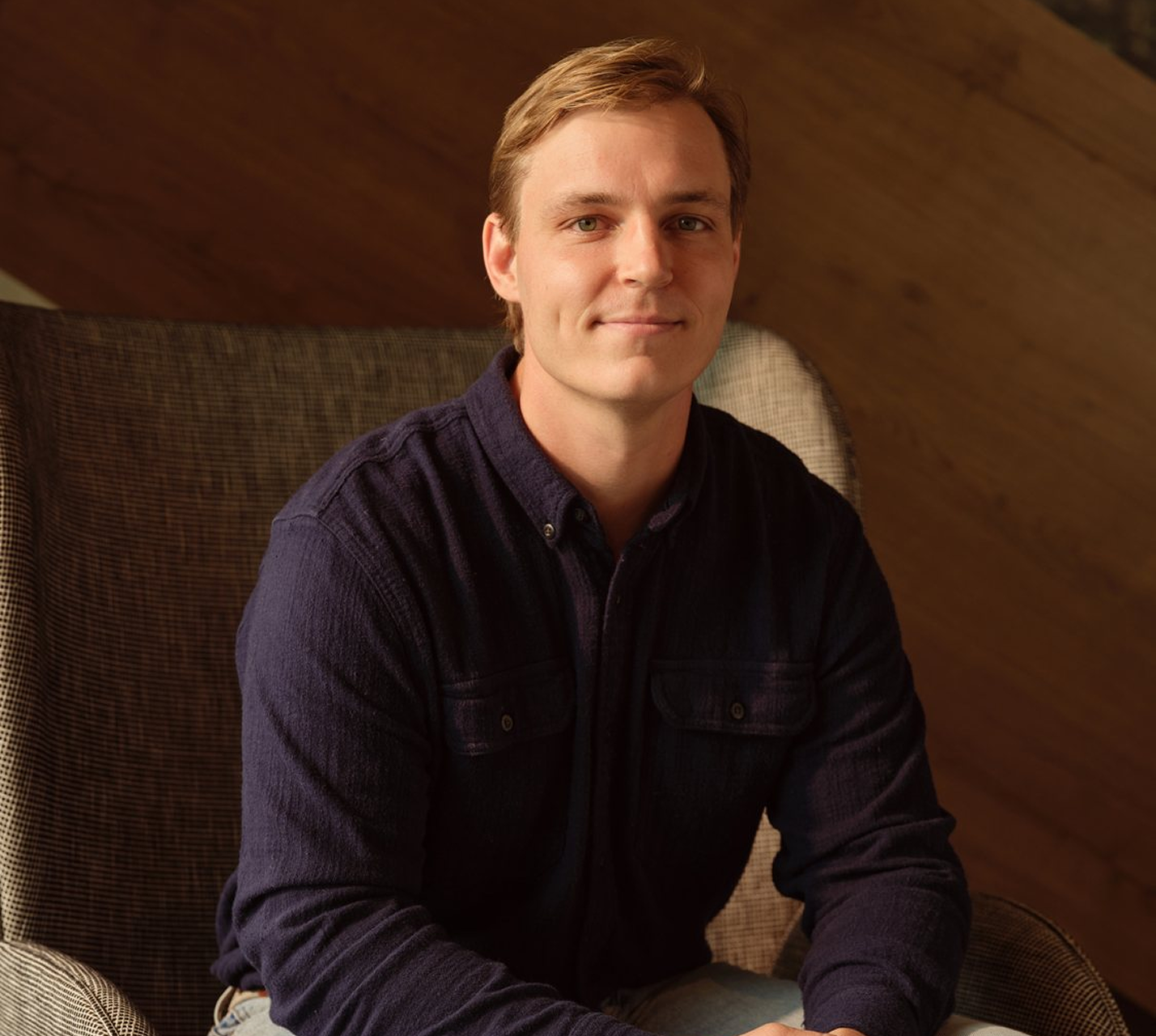
Buildforce, the largest tech-enabled electrician staffing business in the US, announced a $10M Series A round led by Saepio Capital with participation from other investors, including Mercury Fund.
%201.png)
Pie, the AI-powered growth platform for small businesses, closed a $19.5M Series A round led by Lightspeed Venture Partners. Mercury Fund has backed the company since its inception as a pre-seed incubation investment.
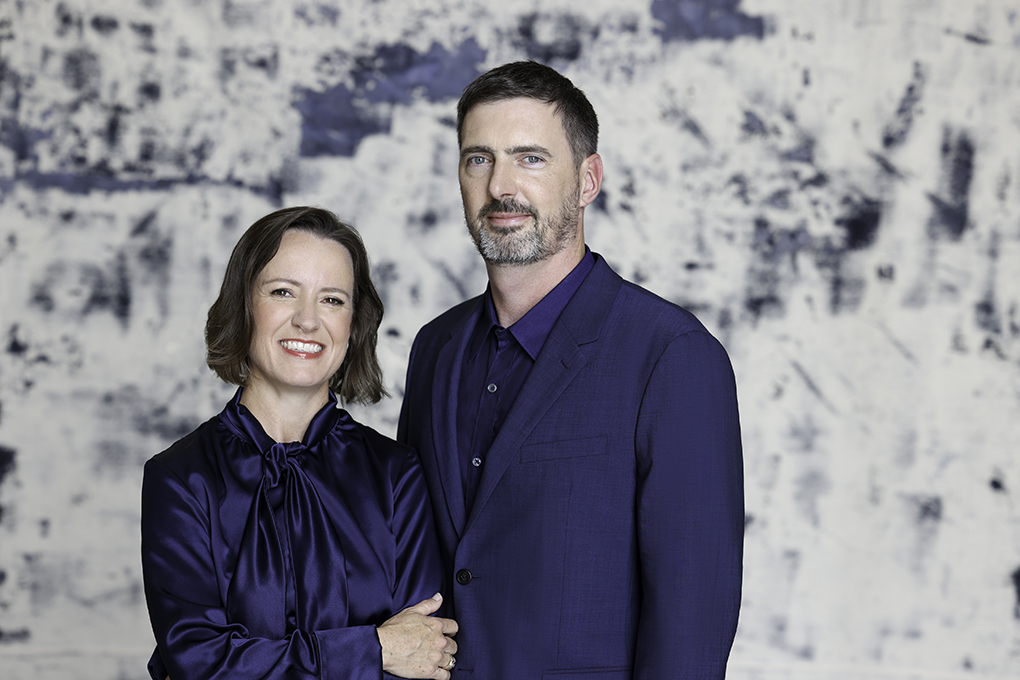
Mercury Fund is proud to co-lead Venus Aerospace’s $91M Series B round with Lockheed Martin Ventures. Mercury believes this team is well positioned to lead an important new chapter in defense and space, while building breakthrough technology here in Texas.
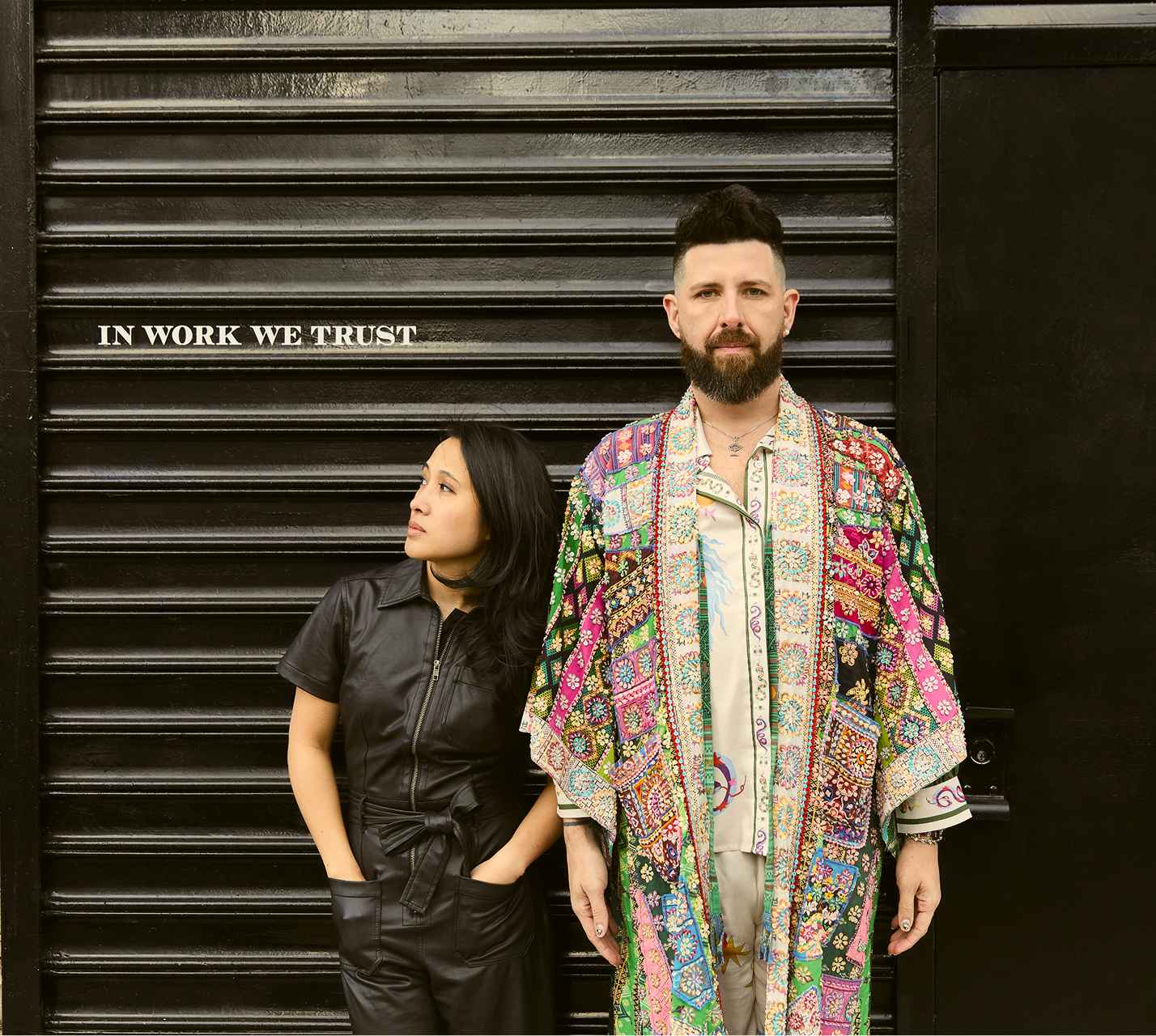
Mercury is excited to announce our newest portfolio investment in Queen One, who recently closed a $25M round of funding. Queen One is building the industry's first fully AI native Commerce CRM, and was founded by former Wunderkind execs Ryan Urban and Maricor Resente.
Portfolio Founder Spotlight
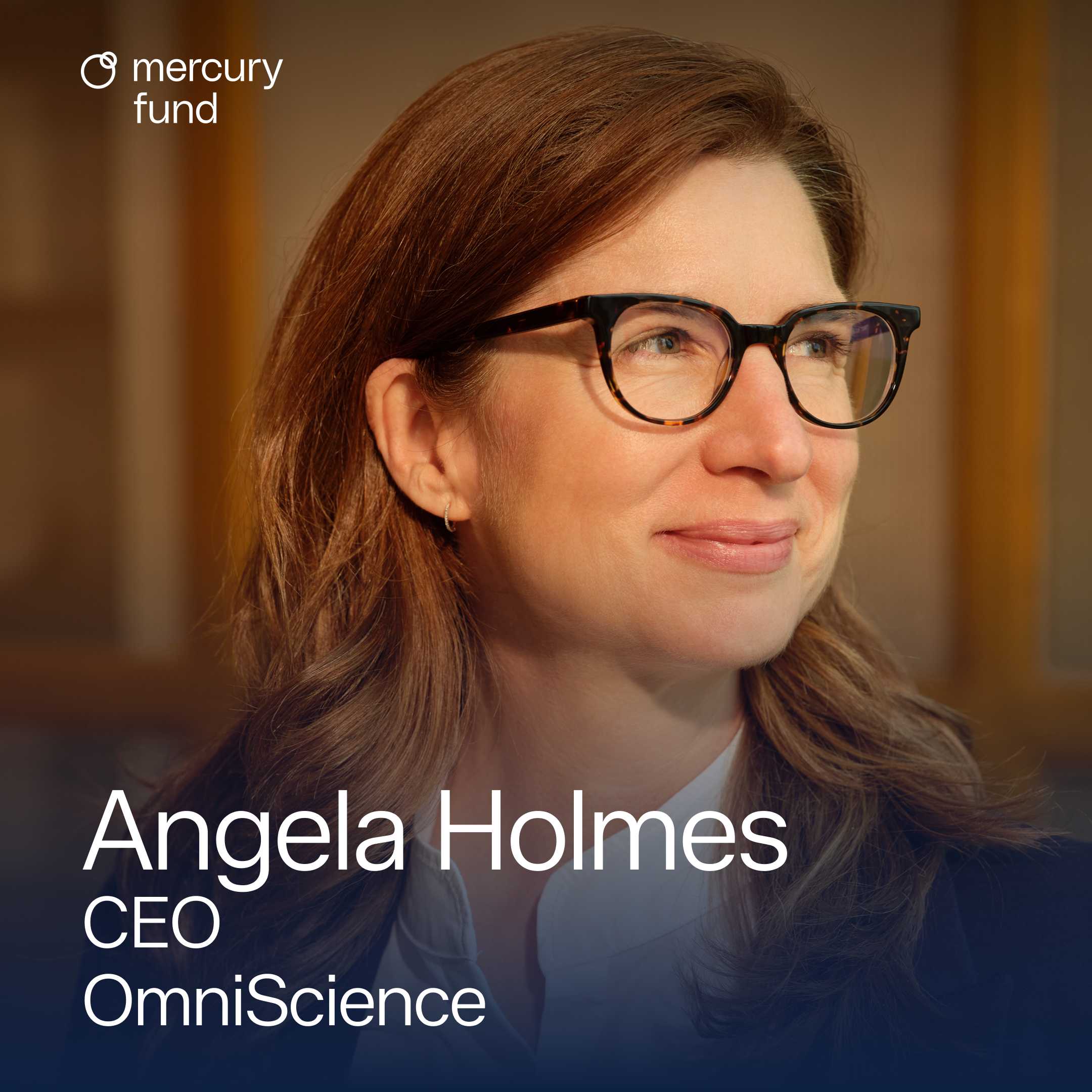
We recently launched a Mercury Fund portfolio founder series. In this newsletter, we are excited to showcase Angela Holmes, CEO of OmniScience, an agentic platform providing clinical trial teams a real-time, unified view of their data. Mercury partnered with Angela early to launch Omniscience. You can find more of Mercury’s founder profiles here.