


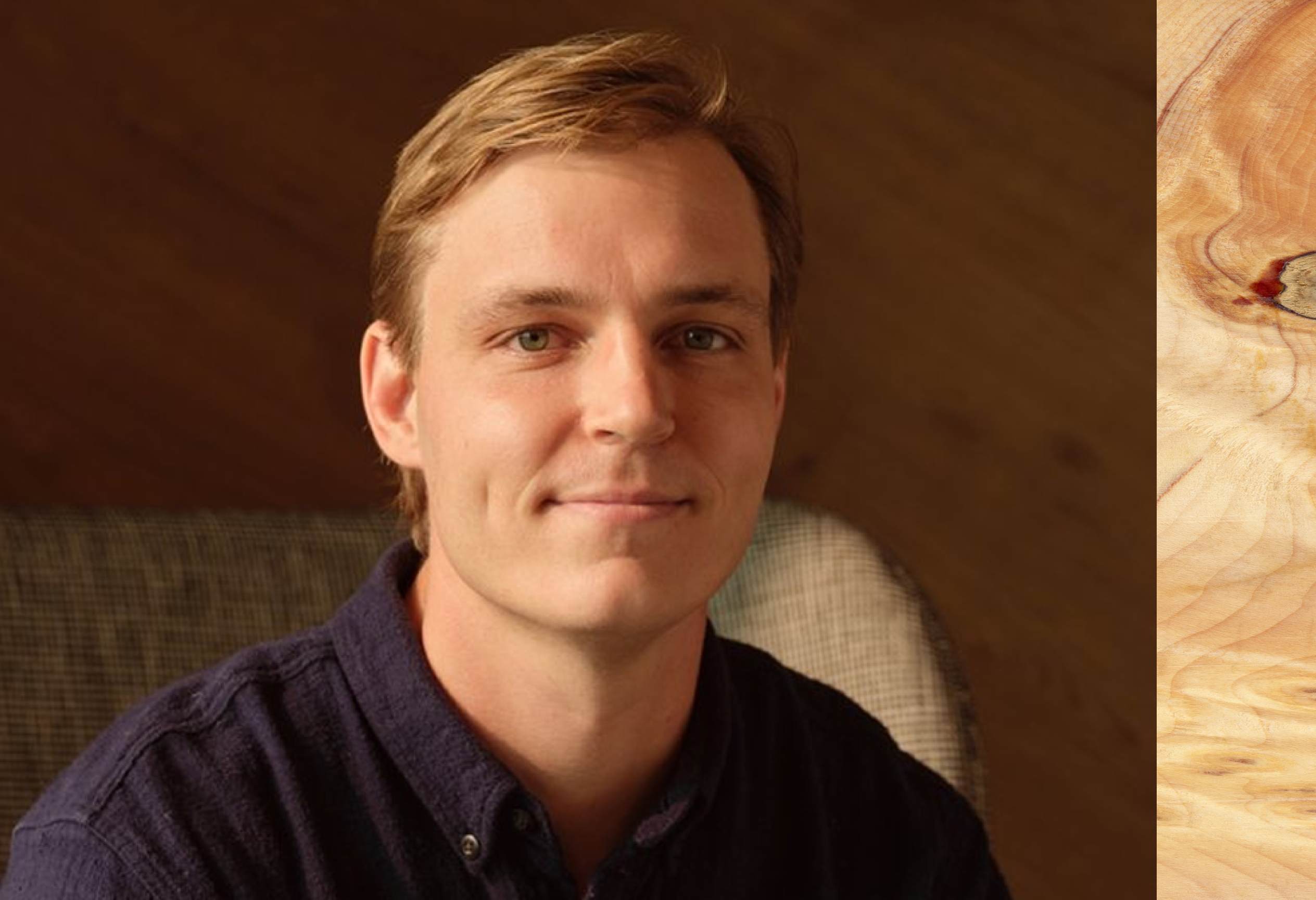
Moody Heard Couldn't Find Buildforce, So He Built It
Before Moody Heard was Buildforce's CEO, he was on Mercury Fund’s investment team, working alongside Adrian and Blair to find construction tech and marketplace startups worth backing. When the team went looking for a company solving turnover in the skilled trades, they came up empty. So Moody built it himself.
Moody and his co-founders got their electrical licenses, spent week after week on job sites, and used Buildforce's first year, most of it under COVID lockdowns, to learn construction from the ground up. Six years and a few investment rounds later, Buildforce is the marketplace connecting electricians with the firms that need them, and Mercury has been there since day one.
“I had the opportunity to work with Moody when he was an analyst at Mercury, long before Buildforce existed,” said Adrian Fortino, Mercury Fund Partner and Buildforce Board Member. “Even then, he had an uncommon combination of intelligence, grit and genuine empathy for the people around him. Watching him turn those qualities into a company that is creating better opportunities for highly skilled electricians has been incredibly rewarding, and I’m proud to have been in his corner from the beginning.”
Here's Moody's story, in his own words.
What were you doing right before you started Buildforce, and what made you finally pull the trigger to go all in on this idea?
"I was working at Mercury Fund, specifically with Adrian on construction tech startups and with Blair on tech-enabled services and marketplace startups. We were looking for a company doing what Buildforce does, and we couldn't find one. So I started staying up on weekends and late at night building a business plan with Vu Brown and Michael Orcutt. Eventually I went to the partners and said, hey, you should just back us. They said ‘get after it’, and Mercury led our pre-seed. Adrian's still on our board today.
Neither my co-founders nor I had any construction experience. As soon as we took the leap, we realized how out of our depths we were. We quit our jobs, raised our pre-seed, and a week later COVID broke out. Because construction was considered essential, the industry kept moving even as everything else shut down. That let us spend our first year doing pure customer discovery, just learning the problem set for real instead of academically."
How did you meet your co-founders?
"Michael Orcutt was the technical co-founder of another Mercury portfolio company, Spruce, and I met him through the Mercury network. Vu Brown was introduced to me by a mutual friend who worked with him at Uber. We sat down for what was supposed to be a quick coffee, and an hour and a half later we were drawing marketplace dynamics on napkins. Vu flew back to New York, got in his car with his then girlfriend (now wife!), and moved to Houston. We worked together for three or four months before we had a conversation about equity. We just got to work and figured out the rest later."
Tell us what you're building at Buildforce, who it's for, and how you think about the market.
"Every construction project has a shelf life. You show up to work every day, but when the building is done, your employer says, ‘thanks for the help, we don't need you anymore’. So the construction workforce is in constant turnover. That was the lightbulb moment: we could apply the marketplace model that works in other industries to construction. On one side you have tradespeople constantly looking for their next job. On the other, firms with peaks and valleys in demand, like winning a bid to build a hospital and needing to double their workforce for six months. We sit between them as the market maker.
We decided early on to focus on one trade instead of chasing every corner of construction. Electricians make up 20% of the commercial construction workforce, overall construction being a $2 trillion a year industry on its own. That's plenty of room to run without spreading ourselves thin.
30,000 electricians have downloaded our app, and about 10,000 of those have gone through our full interview process. We screen them skill by skill within the electrical trade, run employment verification to confirm they're eligible to work, do background checks, and examine their work history. When they come out the other side, they have a full profile they use to market themselves to the electrical contractors hiring on our platform."
What do you understand about this problem that most people still don't?
"Most construction tech companies build for the firms, because the firms hold the wallet. We decided to focus on the experience for the individual tradesperson instead, which was a newer idea. We could see the trades were heading into a real labor shortage, a multi-decade trend of people leaving and not enough coming in behind them. So we focused everything, technology, team, events, bonuses, on making the experience great for the person doing the work in the field. Once we did that, the firms came to us. They realized Buildforce is where the electricians are, so they pay us to access that workforce."
What's the hardest decision you've made building this company, and what did it teach you?
"Staying focused on one trade. There's a constant pull toward TAM expansion. Investors have told us, “why not expand to plumbers, why not do every trade, your market would be ten times bigger.” We said no. We wanted to be the best at one thing rather than mediocre at everything, and that discipline is what let us take over a real share of the electrical workforce instead of spreading ourselves across a market we couldn't serve well."
What do you wish you knew going into fundraising that you know now?
"There's a natural instinct to optimize for valuation above everything else. I don't think that's right. Setting your valuation too high puts pressure on the business you don't want, and it can make the eventual outcome people are excited about unattainable. I've learned it's better to find a fair number that works for everyone and leaves room for upside.
The partner matters just as much as the price. In the early days, all that really matters is product market fit, not revenue scale, and you need to match the round to that objective. We raised a seed round thinking we had product market fit when we really didn't. Our technology was still immature, but the round got spent on go-to-market instead of product development, partly because that's what the partner expected coming in. Getting expectations aligned with your investor matters as much as the number on the term sheet."
Have you optimized for investors with experience in your industry, and what's mattered most when evaluating firms?
"In our last round, we had plenty of interest from big coastal funds. We turned them down. We wanted investors who understood what it means to build a mid-continental, industrial startup, which has a different ethos than a San Francisco or New York company. Our cap table is almost entirely non-coastal, skewed toward Texas, and that was intentional."
If you were starting over today, what's one thing you'd do differently?
"Hire more slowly. And balance profitability with growth earlier. We came up in the early-2020s phase where growth was all that mattered, and we were lucky to make it out the other side. A lot of companies lost sight of the basics chasing higher valuations, but a company has to generate income eventually, especially once the easy money stops. We've tripled and then doubled revenue in back-to-back years, and we've stayed profitable the whole time. That's intentional. We keep a close eye on the bottom line."
If you weren't building Buildforce, what do you think you'd be doing instead?
"Farming. I bought some acreage out in the woods, and when I'm not working, I'm out in my garden growing vegetables."
What's something that would surprise people about you that they wouldn't know from your resume?
"I spend a lot of my free time playing music. I have two albums out on Spotify under the name Moody Charles. If you listened, you'd hear me on guitar, mandolin, or steel guitar."
—
Moody spent his early career helping Mercury Fund find companies like Buildforce before he decided to build one himself. He and his co-founders learned construction by getting licensed and working the job sites themselves, stayed disciplined enough to say ‘no’ to an easy TAM expansion story, and built a business that's growing fast without losing sight of the fundamentals. Mercury led Buildforce's pre-seed and we've backed every round since. Six years in, we couldn't be more convinced we were right to.