

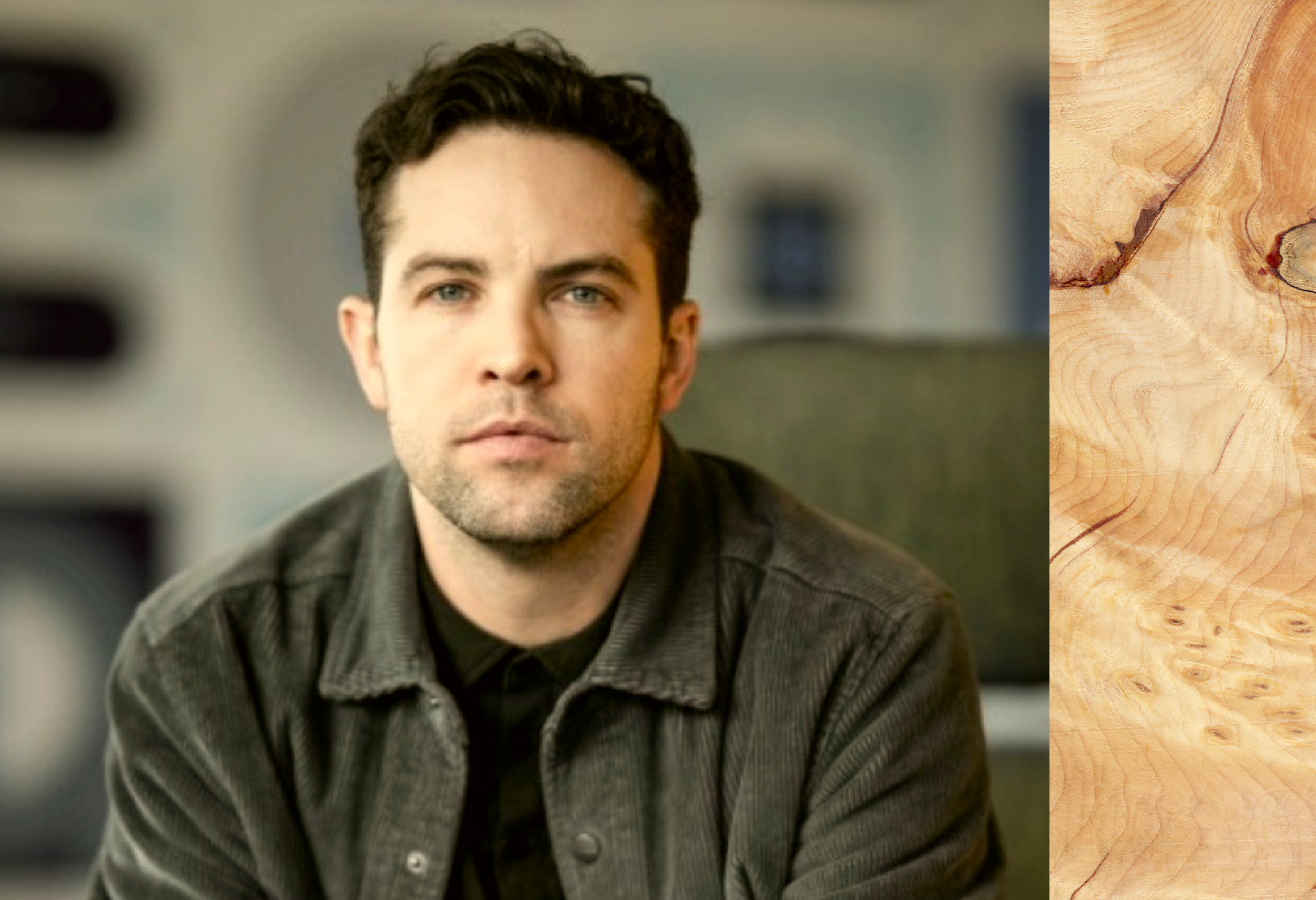
Patrick (Pat) Kelly, has spent his career solving the same problem from different angles: financial services moves at the speed of paperwork, not the speed of trust. He did this with the first company he founded, RepPro, then at Signal Advisors, where he's building the technology and capital infrastructure that lets independent financial advisors run real businesses instead of working around broken ones.
“I’ve known Pat for over 15 years and backed him because he knows the IMO industry inside and out, but also sees how much better it can be,” said Adrian Fortino, Mercury Fund Partner and Signal Advisors Board Member. “He, Jake & Kevin were a perfect co-founder combination of industry expertise, strategic thinking, product knowhow and talent magnetism. Given Pat’s experience as an advisor, he had a real feel for what advisors need and a clear vision for helping them build stronger businesses. More than anything, I believed in Pat personally—his instincts, his integrity, and his ability to make that vision real.”
We first backed Pat at Signal Advisors as part of their Seed round in 2020. Here's Pat’s story, in his own words.
What were you doing before you started Signal Advisors? What made you finally decide to go all in on the idea?
“I was a financial advisor, and that experience showed me how many challenges there were operationally. For example, submitting an application for life insurance or disability insurance meant filling out a sixty-page paper form by hand and mailing it overnight. I'd inevitably get something wrong, and the client would have to resign, I’d have to mail it out overnight again, etc. You live through enough of those pain points and you start asking yourself: why can I buy something on Amazon with one click and have it delivered the next day, but life insurance is the impossible thing to buy?
So I started RepPro, which took paper applications online and built a universal application. Instead of filling out three separate forms for a client, you filled out one and applied it to any product. I built that for seven years and sold it to Annexus.
At Annexus, we were selling technology into Independent Marketing Organizations (IMOs), the middlemen between insurance carriers and financial advisors. Their interface to advisors was phone calls, emails, and Excel spreadsheets, which was slow and full of room for error. IMOs treated technology as an expense to minimize, not an investment. My view was the opposite: technology is a horizontal layer across the entire business, not a department. Invest in it, and you make sales better, marketing cheaper, and operations leaner all at once.
So because everyone else in that world was underinvesting in tech, I realized you could overinvest relative to the competition and use that gap to really differentiate yourself. And there was something almost backwards about how I got there: I was literally selling technology into the companies that would eventually become my competitors. That vantage point, watching them treat tech as a cost center while I was building the case for it as a growth engine, is exactly what gave me the conviction to start Signal.”
Tell us what you're building, the problem you're solving, and for whom.
“At Signal Advisors, we're building a platform for independent financial advisors to build better businesses. You could work at UBS or Merrill Lynch, or you could go on your own and be an entrepreneur. We're empowering the ones who want to do the latter. Think Shopify, but for financial advisors.
There are three layers to how we help.
- The base layer is access: independent advisors need to sell products, and big institutions won't deal with one-off advisors directly. They go through a group like us. That's table stakes.
- Where we differentiate is the end-to-end advisor operating system we've built on top of that. Every team member at an advisory firm uses it to run marketing, track expenses, submit new business, and understand which products in their book are performing and which need to be replaced.
- The third layer is working capital. Advisors used to grow by saving cash for years before they could hire or expand but we changed that. TruePay pays advisors the day after a sale, instead of the standard thirty to forty days, about forty times faster than anyone else. We also negotiated payment terms with marketing vendors directly, so advisors can launch a campaign and pay for it sixty to ninety days later instead of upfront. Between getting paid faster and paying vendors slower, advisors can double their marketing spend, and in some cases their business, in a single year."
What's the hardest decision you've made so far, and what did it teach you?
"The hardest decisions are almost always about people: hiring and firing. There are some I wish I hadn't made and some I'm glad I did, and you learn over time. I've had to learn to be more patient, which is hard in a venture-backed business where growth is everything. But these decisions have real ripple effects, they affect people's livelihoods, their families, and team culture. I've spent a lot of time on culture as a category, but not enough on individual people, mostly because that doesn't scale. I can't personally talk to everyone at a 145-person company, but sometimes I wish I could do more of it.
On hiring, I think you want about half a person more than you need, never two or three, or you get too relaxed culturally. We started remote-first during COVID and have walked that back a lot. Every person who joins now interviews in person in Detroit. We're three days a week in the office, same three days for everyone, because I think you lose camaraderie if people are missing each other all the time."
What do you wish you knew going into fundraising that you know now?
"Always raise more than you need. And don't be stingy on dilution. The thing you're actually managing as a founder is risk, and the biggest risk isn't dilution, it's death. Founders think, “if I take two percent less dilution and the company sells for a billion dollars, I've lost twenty million.” That's the wrong way to think about it. Raising more money increases the odds you survive long enough for any upside to matter at all."
How did you first connect with Mercury Fund, and what made Mercury the right partner?
“My relationship with Mercury goes back to my first company. I pitched Detroit Venture Partners in 2011, before RepPro was even a real product, and built a relationship with Jake Cohen, who introduced me to Adrian Fortino. Adrian passed on RepPro. So did Jake. To be clear, I think they probably made the right call at the time, no hard feelings. But I kept building those relationships anyway.
When I sold RepPro and started thinking about Signal, I went back to the same people who'd said no to me the first time, the ones I respected and wanted in my corner regardless of their earlier decision. Jake ended up leaving the venture fund to join me as a co-founder, and the relationship with Adrian deepened from there.
Here's how I think about it: money is kind of a commodity, even though that feels like a strange thing to say when you're a founder asking someone to give you money, since it feels like it's in short supply. But the real story of any venture business, no matter how well it goes, is never just up and to the right. There are always moments when it's not. The question that actually matters is, who's going to be there to support you through those moments, who's still going to be interested in the business and not just move on to the next deal? Adrian has been that for us, every single time. And that's Mercury, full stop. That's the relationship, not the check."
If you were starting over today with everything you know now, what's the one thing you'd do differently?
"I'd be more patient on two things: the hiring process, and being honest about product-market fit. Product-market fit is a spectrum, and a lot of founders trick themselves into thinking they have it when they don't. I'd want it fully on, not halfway there, even with all the pressure to move fast."
What's something about you that would genuinely surprise people who only know you through your company?
"I've run two marathons so far, Boston and New York, and hopefully there's a third one coming. My real goal is to run all seven Abbott World Marathon Majors."
This is exactly the kind of founder we want to back: someone who's lived the problem from the inside, built and sold a company solving one piece of it, and came back to solve the harder, structural piece most people in the industry never touch. Pat's building the infrastructure independent financial advisors will run their businesses on for the next decade. We’re proud to partner with Pat and his team.